
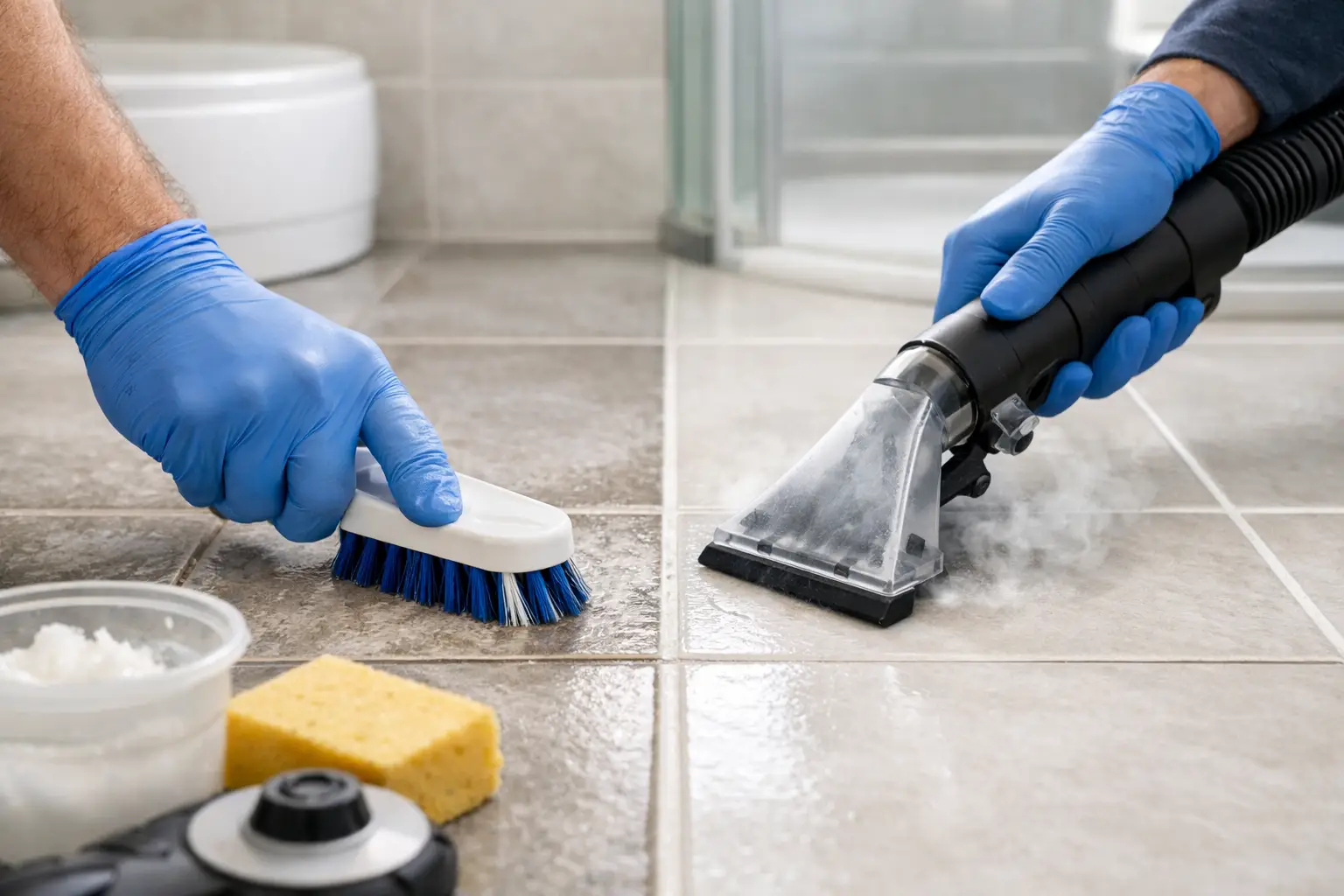
A tiled surface rarely fails all at once. It loses its finish gradually – grout lines darken, soap residue builds, stains settle in, and what once looked crisp starts to feel tired no matter how often it is cleaned. That is where tile and grout restoration makes a clear difference. It goes beyond routine scrubbing to correct embedded soiling, surface wear and grout deterioration, restoring a cleaner, sharper and more refined finish.
For homeowners and property managers, the appeal is not cosmetic alone. Floors, bathrooms, splashbacks and commercial tiled areas all contribute to how a space is perceived. When grout is discoloured or tiles appear dull, the whole room looks older than it is. Restoration offers a practical alternative to replacement, especially when the tiles themselves are structurally sound but visually compromised.
What tile and grout restoration actually involves
Tile and grout restoration is a specialist process designed to bring worn tiled surfaces back to a high standard of presentation and performance. Depending on the material, condition and location, the work may include deep cleaning, stain treatment, grout repair, regrouting in sections, sealing and protective treatments.
This is an important distinction. Standard cleaning addresses surface dirt. Restoration targets the deeper issues that ordinary mopping and off-the-shelf products cannot fix. Grout is porous, which means it absorbs moisture, oils, soap residue and general contamination over time. In kitchens, that may be grease and food splatter. In bathrooms, it is often soap scum, body oils, mould or mineral build-up. In commercial settings, foot traffic brings in fine grit that dulls surfaces and soils joints.
A proper restoration process also considers the tile itself. Porcelain, ceramic, natural stone and textured tiles all respond differently to cleaning methods and chemicals. What works on one surface can damage another. That is why material-specific treatment matters.
Signs your tiled surface needs restoration
The need for restoration is usually obvious once you know what to look for. Persistent discolouration in grout lines is one of the clearest signs. If the grout still looks dirty after repeated cleaning, the staining has likely penetrated beyond the surface.
Another common issue is uneven appearance. Some sections may look clean while traffic lanes, shower corners or cooking areas remain dark and blotchy. Cracked grout, missing sections, loose joints and recurring mould growth also point to a deeper maintenance problem.
In premium interiors, visual inconsistency is often the real concern. A marble bathroom with tired grout or a polished kitchen with stained tiled flooring loses its sense of finish. Even quality materials can look neglected when the joints and surrounding surfaces are not professionally restored.
Why replacement is not always the smart option
There are times when replacement is necessary, particularly if tiles are broken beyond repair or substrate issues are present underneath. But in many cases, the surface does not need to be removed to look significantly better.
That matters because replacement is expensive, disruptive and often unnecessary. Removing tiles creates dust, noise and downtime. It can also lead to matching issues, especially in older properties where the original tile is no longer available. Restoration preserves the existing surface while addressing the parts that are letting it down.
For residential clients, that often means a bathroom or kitchen can be revitalised without the upheaval of renovation. For commercial properties, it means maintaining presentation standards without taking an area out of service for longer than needed. The value proposition is straightforward – better appearance, lower disruption and a more economical path than full replacement.
The stages of professional tile and grout restoration
The first step is assessment. A specialist needs to identify the tile material, the condition of the grout, the extent of staining and whether any previous sealers or cleaning products have altered the surface. This informs the treatment plan.
Deep cleaning usually follows. This is not a quick spray-and-wipe exercise. Professional cleaning equipment and appropriate solutions are used to lift ingrained soiling from the tile face and grout joints without damaging the surrounding finish. In some cases, multiple treatment passes are required, especially where showers, entryways or food preparation areas have years of build-up.
Repairs come next where needed. Cracked or missing grout may be removed and replaced in targeted sections. If tiles are loose, chipped or uneven, those issues should be addressed before any sealing takes place. Restoration is most effective when it is not just cleaning the symptoms but correcting the underlying defects that affect appearance and longevity.
Sealing is often the finishing step. Grout sealing helps resist future staining and moisture penetration, making maintenance easier and helping the restored result last longer. The right sealer depends on the location and material. A bathroom floor, outdoor tiled area and polished interior surface may all require different levels of protection.
Tile and grout restoration for different environments
Not every tiled area wears the same way. A family bathroom sees constant moisture and product residue. A kitchen floor collects oils, spills and traffic marks. Apartment common areas and commercial foyers deal with heavier footfall and a higher expectation of presentation.
That is why restoration should never be treated as a one-size-fits-all service. In residential settings, the priority is often hygiene, appearance and preserving the finish of adjacent premium surfaces such as stone vanities or benchtops. In commercial spaces, the focus may include slip resistance, durability and maintaining a polished first impression for tenants, guests or customers.
In Sydney properties, climate and lifestyle can also play a part. Humidity, sand, outdoor-indoor traffic and hard water exposure can all contribute to surface deterioration. A tailored approach delivers better results than a generic cleaning service because it accounts for how the surface is actually used.
Why specialist care matters with stone-adjacent surfaces
Many tiled spaces sit alongside natural stone, engineered stone or decorative finishes that need more than basic cleaning knowledge. Bathrooms may combine ceramic wall tiles with marble vanities. Kitchens might feature porcelain floors near engineered stone benchtops. Commercial washrooms often pair tiled walls with stone details.
This matters because restoration work needs to protect the whole space, not just one surface. Acidic cleaners, harsh agitation or unsuitable sealers can create new problems if the surrounding materials are sensitive. A specialist restoration company understands how tile and grout treatments interact with neighbouring finishes and how to preserve a cohesive, high-end result.
That broader surface knowledge is one reason clients with premium interiors tend to seek a restoration specialist rather than a general cleaner. The expectation is not merely cleaner grout. It is a more complete return to elegance, uniformity and lasting presentation.
How long results last and what affects them
A well-executed restoration can deliver a substantial visual improvement, but longevity depends on usage, maintenance and the type of protection applied afterwards. High-traffic commercial floors will naturally require more frequent attention than a guest ensuite. Showers with poor ventilation may see mould pressure return sooner than dry internal areas.
Maintenance habits also matter. pH-appropriate cleaning products, regular drying in wet areas and prompt attention to spills all help preserve the finish. On the other hand, bleach-heavy products, abrasive scrubbing and neglected moisture problems can shorten the life of the restored surface.
Sealing improves durability, but it is not permanent armour. It reduces absorption and helps with maintenance, yet every surface still benefits from periodic professional review. The best results come from treating restoration as part of long-term surface care rather than a once-off rescue.
Choosing the right provider for tile and grout restoration
The quality of tile and grout restoration depends heavily on the provider’s technical understanding. This is not an area where the cheapest quote necessarily represents value. Poor chemical selection, over-aggressive cleaning or rushed grout work can leave surfaces patchy, damaged or no easier to maintain than before.
Look for a specialist with experience across different tile materials, grout conditions and property types. The right provider should be able to explain what is causing the issue, what can realistically be achieved and where the limitations are. Some staining can be removed completely. Some wear can be improved substantially but not erased if the material has been physically altered over time. Clear advice is part of quality workmanship.
For clients seeking a premium finish, craftsmanship matters just as much as equipment. Clean lines, consistent colour, appropriate sealing and careful treatment around adjoining surfaces are what separate a passable result from a genuinely restored one.
When tiled surfaces begin to drag down the look of an otherwise well-kept property, restoration is often the most sensible next step. With the right treatment, tired grout lines, dull tiles and ingrained staining can be transformed into a finish that feels cleaner, sharper and properly cared for again.