
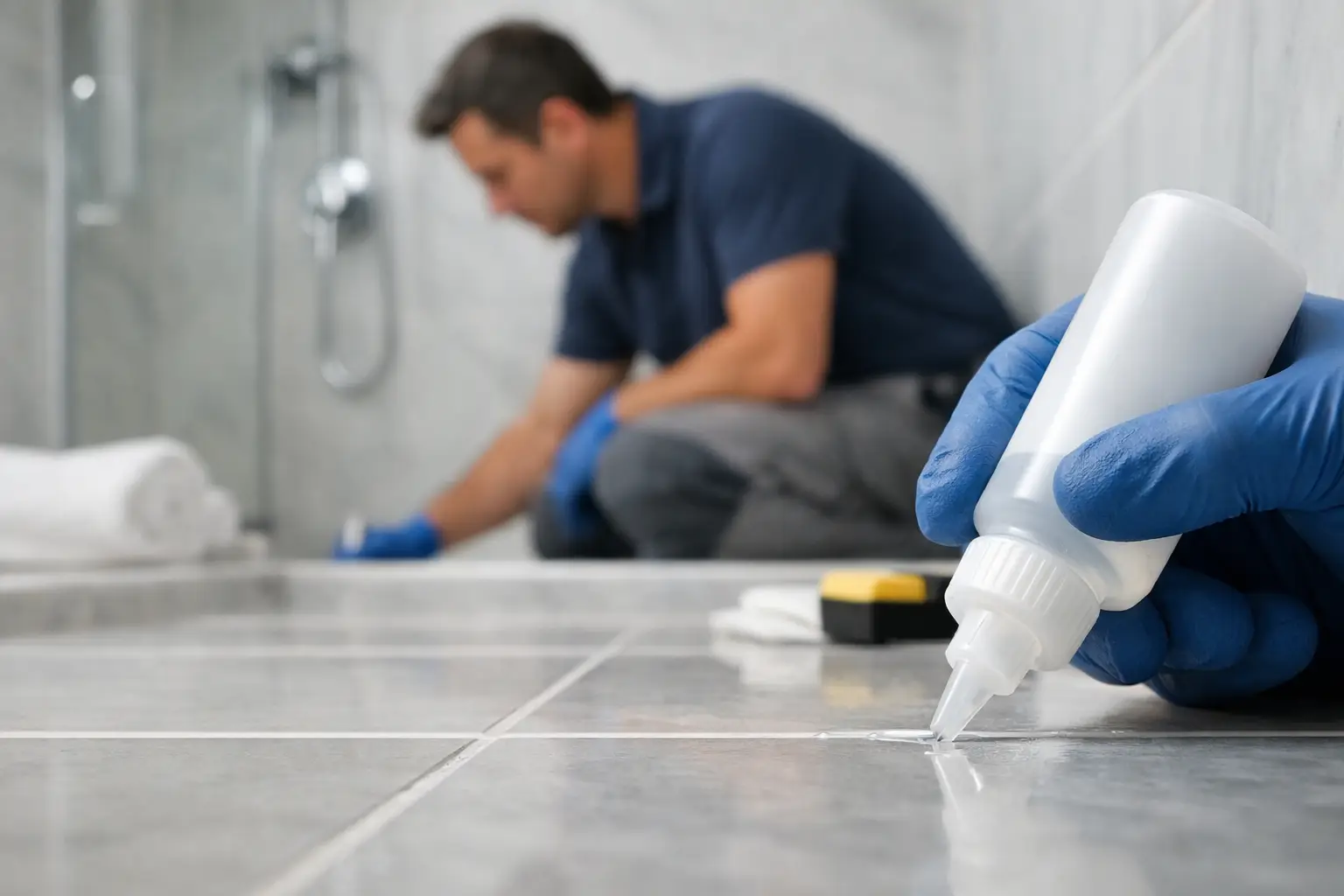
A bathroom can look immaculate after a renovation or deep clean, yet still be vulnerable beneath the surface. Grout begins to darken, natural stone loses its clarity, and moisture finds its way into porous materials. A professional bathroom tile sealing service addresses this hidden exposure, protecting the surfaces that define the room’s finish while making daily cleaning far more manageable.
For Sydney homes, apartments and presentation-critical commercial bathrooms, sealing is not a cosmetic afterthought. It is a tailored protection measure that helps preserve tile, grout and natural stone against the repeated demands of steam, splashes, soaps, body products and household cleaners.
What a bathroom tile sealing service protects
Tile itself is only part of the picture. In many bathrooms, the grout joints are the most absorbent material on the wall or floor. Once unsealed or poorly sealed grout starts taking in moisture and residue, it can become blotchy, difficult to clean and more susceptible to mould growth. The room may appear tired even when the tiles are sound.
Natural stone requires even greater care. Marble, limestone, travertine, terrazzo and some sandstone tiles have open pores that can absorb liquids and staining agents. A suitable penetrating sealer reduces absorption without hiding the stone’s natural character. This allows the surface to retain its refined appearance while gaining practical everyday protection.
Sealing can also assist with the upkeep of textured porcelain, ceramic tile and engineered surfaces where grout lines remain exposed. Although many glazed ceramic and porcelain tiles are naturally low-porosity and may not require sealing on their face, their grout almost always benefits from it. The right treatment depends on the material, finish, installation condition and location within the bathroom.
Sealing is only as good as the preparation
Applying sealer over existing soap scum, ingrained dirt, mould residue or staining simply locks the problem beneath a protective layer. This is why professional preparation is central to a lasting result.
The surface should first be assessed for its material type and condition. A specialist will identify whether the bathroom contains ceramic, porcelain, marble, travertine, limestone, terrazzo or another surface, then determine how porous it is and whether it has an existing coating. This matters because a product suited to grout may not be appropriate for polished marble, and a topical coating can be the wrong choice for a surface that needs to breathe.
Cleaning follows, using methods selected to remove residue without damaging the finish. On natural stone, acidic products are avoided. Acid can etch calcium-based surfaces such as marble and limestone, leaving dull patches that sealing alone cannot correct. If the stone is etched, scratched or uneven, honing or polishing may be needed before protection is applied.
Grout repair may also be required. Cracked, missing or deteriorated grout should be restored before sealing, while failed silicone around shower screens, baths and vanity edges needs separate attention. Sealant does not repair a compromised waterproofing membrane or stop water entering through structural gaps. It protects the finished surface, not the building’s underlying waterproofing system.
The application process
Once the bathroom is clean, dry and properly prepared, the selected sealer is applied evenly and allowed to penetrate for the required dwell time. Excess product is removed carefully to prevent streaking, residue or a patchy finish. The treatment then needs adequate curing time before the area is returned to regular use.
This process sounds straightforward, but timing and product selection are where craftsmanship becomes evident. Over-applying sealer can leave a haze. Under-applying it can result in uneven protection. Using a colour-enhancing product on a pale grout or a polished stone without discussing the finish first can change its appearance in ways the owner did not intend.
When bathroom tiles and grout need sealing
A newly tiled bathroom should generally be sealed after the grout has cured and before it is exposed to regular moisture and cleaning products. The exact timing varies with the grout and adhesive system used, so it should be confirmed before application.
Existing bathrooms often show clearer signs that protection is due. Grout that darkens quickly when wet, takes on stains from cosmetics or hair products, or remains difficult to clean after professional cleaning may be absorbing more than it should. Natural stone that shows water marks, uneven darkening or persistent marks around vanities, showers and bath surrounds should also be assessed.
A simple water-drop test can offer an indication, though it is not a final diagnosis. If a few drops darken an inconspicuous area of stone or grout rapidly, the surface may be porous or the previous sealer may have worn away. However, professional assessment is more reliable, particularly with premium stone finishes where the wrong treatment can affect lustre or colour.
The right sealer depends on the surface
There is no universal bathroom sealer. The best choice is determined by how the material performs in that specific space.
Penetrating or impregnating sealers are commonly used for porous grout and natural stone. They work below the surface to help resist water and oil-based contaminants while preserving the material’s natural finish. For marble, limestone and travertine, this is often the preferred approach because it does not create an artificial film over the stone.
Topical sealers sit closer to the surface and can offer a different look or level of protection, but they are not suitable for every bathroom material. In damp areas, an incompatible topical coating may wear unevenly, trap moisture or become difficult to maintain. Colour-enhancing sealers can deepen the tone of some stones and textured tiles, producing a richer appearance, but that visual change should always be deliberate.
Porcelain presents a useful example of why material knowledge matters. Dense glazed porcelain may need little or no sealing on the tile face, while its grout joints still require protection. Some unglazed, polished or textured porcelain products can be more vulnerable to staining and may benefit from a specialist treatment. Treating every tile the same way is not a premium solution.
What sealing can and cannot do
Professional sealing provides practical protection, but it is not a permanent shield against every bathroom issue. It helps slow absorption, reduces staining risk and makes residues easier to remove. It does not make a surface invincible.
Harsh bathroom chemicals can still damage stone, particularly products containing acids, bleach or abrasive particles. Marble can etch from acidic cleaners even when it has been sealed, because etching is a chemical reaction at the surface rather than a stain absorbed into pores. Similarly, a sealer will not correct loose tiles, cracked substrates, failed waterproofing or extensive mould caused by ventilation problems.
The value lies in prevention and easier maintenance. By reducing the amount of residue that penetrates grout and stone, sealing helps preserve a cleaner, more consistent finish between professional services. It can also delay the need for more involved restoration work.
Maintaining a sealed bathroom finish
A well-sealed bathroom still benefits from considered care. Use a pH-neutral cleaner suited to stone and tile, rather than relying on acidic supermarket sprays. Remove standing water from stone ledges and shower floors where practical, and ensure exhaust fans are used during and after showers to manage lingering humidity.
Avoid abrasive scourers on polished stone or glossy tile. They can create fine scratches that catch the light and reduce the elegance of the finish. For grout, regular gentle cleaning is more effective than allowing build-up to develop and then attacking it with harsh chemicals.
Resealing intervals vary. High-use showers, heavily trafficked ensuite floors and commercial bathrooms may need attention sooner than lightly used guest bathrooms. Material porosity, cleaning habits, ventilation and the quality of the initial application all influence longevity. Rather than working to a fixed calendar, assess how the surface is performing.
For bathrooms where grout has already deteriorated, stone has lost its polish or tiles have become dull through incorrect cleaning, restoration should come first. Grand Stone Restoration can clean, repair, hone, polish and protect bathroom surfaces as part of a considered treatment plan, helping retain the elegance of the original finish without the expense and disruption of replacement.
The best time to protect a bathroom is before staining, dullness and moisture damage become the room’s defining features. A carefully prepared and properly sealed surface keeps the detail looking intentional, clean and worthy of the property around it.