
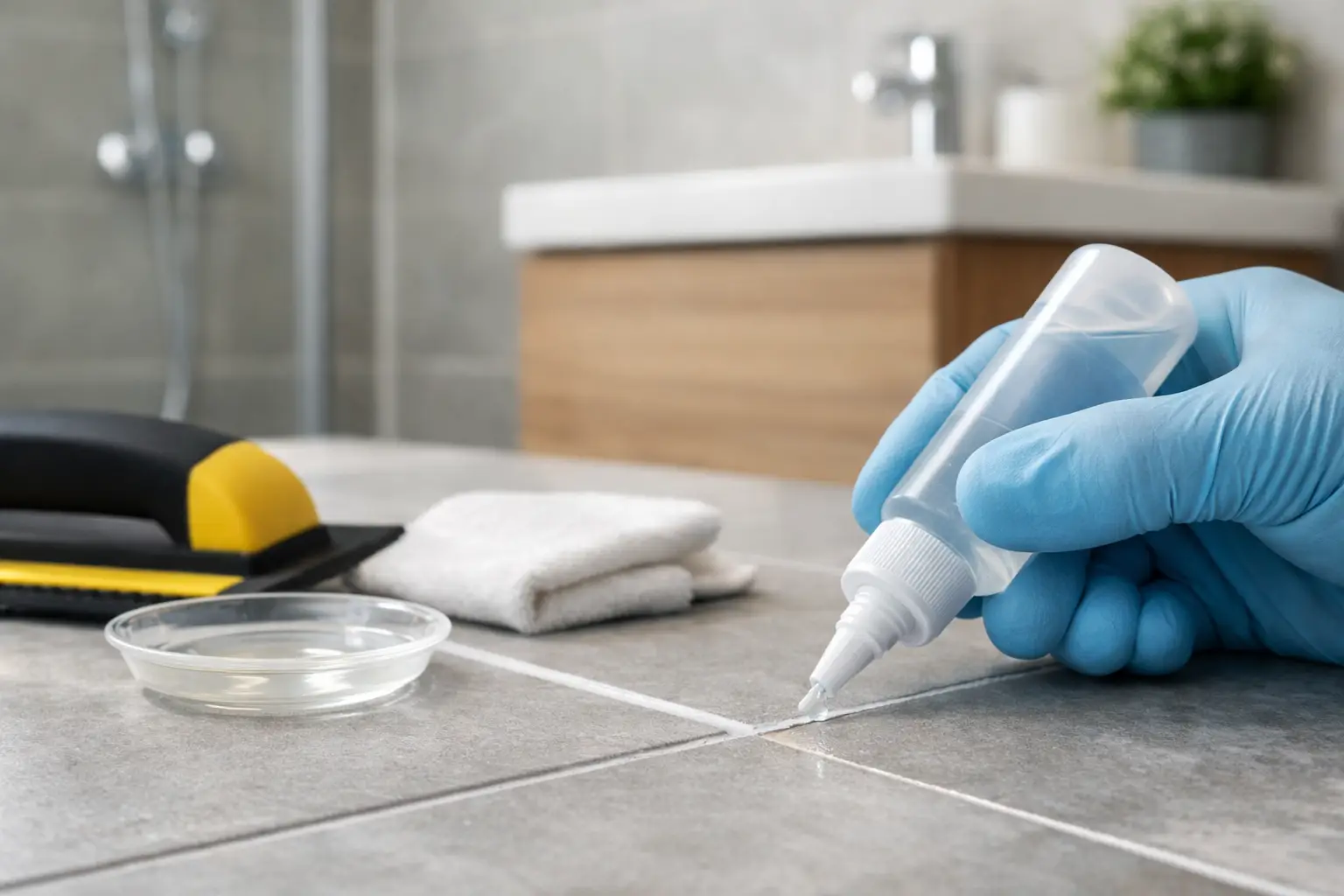
A freshly cleaned tiled floor can look exceptional for a short time, then the grout begins to darken again around doorways, showers and kitchen work zones. That is where many property owners ask, is grout sealing worth it? For most tiled surfaces, the answer is yes – provided the grout is sound, thoroughly cleaned and sealed with the right product for its location.
Grout sealing is not a cosmetic shortcut. It is a protective treatment that slows the absorption of water, oils, soap residue and everyday spills into the porous joints between tiles. Done correctly, it helps preserve a cleaner, more consistent finish and reduces the effort required to maintain it. Done poorly, or applied over existing contamination, it can simply trap the problem beneath the surface.
What grout sealer actually does
Most cement-based grout is porous. Under a microscope, its surface contains small voids that readily draw in moisture and staining agents. In a bathroom, that may be shampoo, body oils and mineral deposits. In a kitchen, it is more likely to be cooking oils, coffee, wine or food spills. On an outdoor terrace, dirt, leaf tannins and rainwater can all contribute to uneven discolouration.
A quality penetrating sealer lines those pores without creating a thick, shiny layer on top. Water and contaminants are given less opportunity to soak in, while the grout retains a natural appearance. This is particularly valuable with pale grout, where even minor staining can make a premium tiled surface appear tired.
Sealer also makes routine cleaning more effective. Rather than bonding deeply into unprotected grout, residue remains closer to the surface and can be removed before it becomes a permanent stain. It does not make grout maintenance-free, but it gives the surface a meaningful margin of protection.
Is grout sealing worth it in every room?
The value depends on the tile location, grout type and how the area is used. High-traffic and wet areas generally benefit most. Shower walls and floors, bathroom floors, kitchen splashbacks, entryways, laundry rooms and outdoor entertaining areas are all exposed to the conditions that encourage staining and moisture absorption.
In a lightly used guest bathroom with dark grout, sealing may be less urgent. The grout is still porous, but the visual and practical benefit may be modest. By contrast, a white or light-grey grout floor in a busy family kitchen can show wear quickly. In that setting, sealing is a relatively small investment in protecting the appearance of the entire room.
Commercial settings deserve particular attention. Foyers, hospitality venues, retail spaces and shared apartment areas face higher foot traffic, more frequent cleaning and a greater need for presentation. Once grout lines become blotchy, the surface can look neglected even when the tiles themselves remain in good condition. Professional cleaning and sealing can restore visual order without the cost, noise and disruption of replacement.
The biggest benefit: protection after deep cleaning
Sealing is most worthwhile after the grout has been professionally cleaned or restored. This is the point many DIY approaches miss. A sealer is transparent, so it does not remove mould, grease, mineral scale or deeply embedded staining. If applied to dirty grout, it may lock in the discolouration and leave a disappointing result.
The right sequence is straightforward: assess the grout and tile, remove accumulated contamination with suitable cleaning methods, allow the area to dry properly, then apply the appropriate sealer evenly. The result is not just cleaner grout. It is a cleaner baseline that is easier to preserve.
For older tiled areas, cleaning can also reveal whether the issue is staining or physical deterioration. Grout that is cracked, missing, soft or crumbling needs repair or regrouting before sealing. Sealer can protect sound grout, but it cannot rebuild failed joints or stop movement-related cracking.
Where grout sealer has limits
A well-sealed grout joint is more resistant to stains, not invincible. Strongly coloured liquids, oils and acidic substances should still be wiped up promptly. Bathroom sealer does not replace ventilation, regular cleaning or proper management of water leaks. If moisture is entering behind tiles because of a waterproofing issue, surface sealing is not a remedy.
Mould is another common misunderstanding. Sealer can reduce moisture absorption, which may help make grout less hospitable to staining and grime. However, mould growth is usually linked to persistent dampness, poor airflow, soap residue or underlying moisture problems. The area must be cleaned correctly and the source of moisture addressed.
It is also essential to distinguish grout sealing from tile sealing. Porcelain and ceramic tiles are generally dense and often do not need sealing, although their grout joints do. Natural stone tiles are different. Marble, limestone, travertine, sandstone and some terrazzo surfaces may require tailored sealing because the stone itself can be porous or acid-sensitive. An unsuitable chemical or sealer can compromise the appearance of a valuable stone surface.
Choosing the right sealer matters
Not all grout sealers perform the same way. Penetrating sealers are typically the preferred choice for most tiled floors and wet areas because they protect within the grout while maintaining a natural finish. They are particularly suited to premium interiors where an artificial surface sheen would detract from the tile or stone.
Topical coatings sit on the surface and can alter colour or create a film. In some applications they have a purpose, but they can wear unevenly, trap moisture or become difficult to maintain if chosen without regard to the substrate. Colour-enhancing sealers can deepen the appearance of some stone and grout, yet they should only be used where that result is intentional and tested first.
The correct choice should account for the grout formulation, tile material, room use, existing coatings and desired finish. This is especially relevant in marble bathrooms and natural stone living areas, where the grout treatment cannot be separated from the care requirements of the surrounding surface.
DIY sealing versus professional application
DIY grout sealers can be suitable for small, clean areas with intact ceramic or porcelain tile. The work demands patience. Sealer needs to reach the grout joints evenly, excess product must be removed from tiles, and the surface needs sufficient drying and curing time. Applying too much, rushing preparation or walking on the area too early can reduce performance.
Professional service becomes more valuable when the grout is heavily soiled, the tiled area is large, natural stone is present, or the finish is important to the property’s overall presentation. A specialist can identify whether the grout needs cleaning, regrouting, stain treatment, repair or sealing, rather than treating every issue with the same bottle of sealer.
This approach is often more economical than it first appears. Replacing tiles because of dirty grout is rarely necessary when the tiles are sound. Careful restoration can revive the surface, protect it against further deterioration and retain the original design with far less disruption.
How long does sealed grout last?
There is no single timetable. A protected shower floor may require attention sooner than a lightly used wall, while a busy commercial entry will wear faster than a private ensuite. Cleaning practices, foot traffic, ventilation, spill response and the quality of the original application all influence longevity.
Rather than relying only on a calendar, watch how the grout behaves. If water darkens the joints immediately, stains are becoming harder to remove, or the colour is turning uneven despite regular cleaning, it may be time for assessment and resealing. Avoid harsh acidic cleaners and abrasive scrubbing wherever possible. They can degrade grout, dull adjacent stone and shorten the life of the protective treatment.
A considered investment in the finish of your space
Grout lines frame every tile. When they are clean, even and protected, the entire floor, wall or bathroom reads as more refined. When they are stained and deteriorating, even high-quality tile can lose its impact.
For Sydney homes and presentation-critical commercial spaces, grout sealing is worth it when it follows proper preparation and forms part of an ongoing surface-care plan. Grand Stone Restoration can assess the condition of your grout and surrounding tile or natural stone, then recommend treatment that protects the finish without compromising the material beneath it. A well-restored surface does more than look cleaner – it preserves the standard of the space you have invested in.