
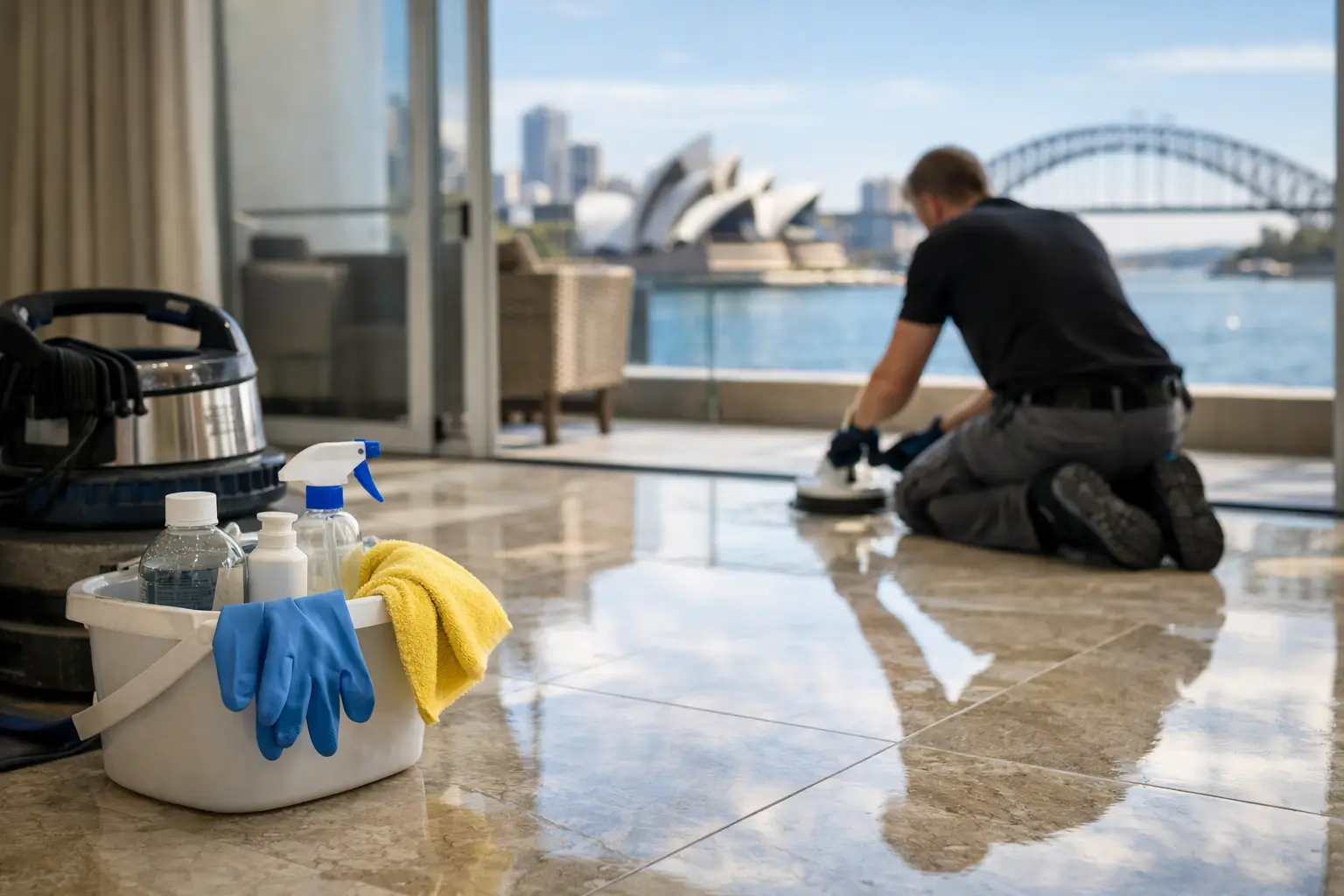
A marble vanity can look tired long before it is worn out. Cloudy patches around taps, dull traffic lanes on limestone floors, a scratched granite benchtop or stained sandstone near a pool are not simply cleaning problems. They are signs that the surface needs the right treatment. Professional natural stone cleaning Sydney property owners rely on is designed to restore clarity, colour and refinement without the cost, mess and disruption of replacement.
Natural stone is a premium material, but it is not a single material. Marble, limestone, travertine, granite, terrazzo and sandstone each react differently to moisture, acids, abrasion and everyday cleaning products. A one-size-fits-all approach can leave a surface hazy, patchy or permanently damaged. The difference lies in understanding the stone, identifying the cause of deterioration and selecting a restoration method that protects the material beneath the surface.
Why Natural Stone Loses Its Finish
Stone can feel indestructible, particularly in a kitchen, foyer or bathroom built around high-quality finishes. Yet even hard stone changes over time. Sydney homes and commercial spaces deal with regular foot traffic, humidity, coastal air in some suburbs, hard water marks, spills and cleaning routines that may not suit the surface.
Marble, limestone and travertine are particularly vulnerable to etching. This is a chemical reaction caused by acidic substances such as citrus, wine, vinegar and some bathroom cleaners. Etching often appears as pale, dull marks or rings. It is not a stain sitting on top of the stone, so wiping it more vigorously will not remove it. It usually requires honing and polishing to restore an even finish.
Granite is denser and more resistant, but it can still lose lustre, develop scratches and absorb oils or coloured spills if its sealer has worn away. Sandstone is naturally porous, making it susceptible to ingrained dirt, algae, moisture-related staining and surface erosion, especially in outdoor entertaining areas. Even engineered stone requires care, as harsh chemicals and abrasive pads can compromise its polished appearance.
The goal is not to make every stone look artificially glossy. Some finishes are honed, matte or naturally textured by design. Quality stone cleaning respects the intended character of the material while removing contamination and restoring a consistent, refined appearance.
What Professional Natural Stone Cleaning in Sydney Involves
A specialist restoration service begins with assessment, not a bottle of generic cleaner. The stone type, finish, location, existing sealers, staining and damage all influence the treatment. A polished marble floor with etch marks needs a different approach from a textured sandstone courtyard or a commercial terrazzo foyer.
Deep cleaning that does not compromise the stone
Professional deep cleaning lifts accumulated grime, soap residue, oils, mineral deposits and embedded contaminants using stone-safe products and controlled equipment. This is especially valuable for grout lines, shower walls, outdoor pavers and high-traffic floors, where dirt can make an otherwise elegant surface appear neglected.
The process should be thorough without being aggressive. Acidic cleaners may create fast visual changes on some surfaces, but they can also etch calcareous stones and weaken grout. Likewise, excessive pressure can damage softer stone, open its pores or leave uneven results. The best method depends on the material and the problem being solved.
Honing and polishing for dull or damaged surfaces
Cleaning alone cannot correct etching, fine scratches, lippage or a worn polish. Where the stone itself has been damaged, mechanical honing may be required to carefully refine the affected surface. Polishing then rebuilds the desired level of sheen, from a soft satin finish to a high-end reflective brilliance.
This is where restoration can offer significant value. Rather than removing and replacing expensive marble tiles or a stone benchtop, skilled restoration can often revive the existing surface. The outcome is not merely cleaner stone. It is a more even, elegant finish that makes the whole room feel renewed.
Repairs, sealing and protection
Chips, cracks and open joints can detract from the appearance of stone and create points where moisture or dirt can enter. Depending on the damage, a specialist may colour-match and repair chips, fill cracks, regrout surrounding areas or stabilise loose sections before finishing the surface.
Once stone has been cleaned or restored, sealing is often the next practical step. A quality penetrating sealer helps reduce absorption from spills and moisture, giving owners more time to clean up everyday accidents. It does not make stone completely stain-proof, and it should not be treated as a substitute for sensible care. It is a protective measure that supports the longevity of the finish.
For particularly vulnerable marble benchtops or dining surfaces, anti-etch protective film may be worth considering. This is a trade-off between preserving the original exposed stone and adding a discreet barrier against etching, scratching and daily wear. In busy family kitchens, hospitality settings or rental properties, the additional protection can be a practical investment.
When a Surface Needs More Than Routine Cleaning
Regular maintenance keeps stone looking its best, but there is a point where household products and standard cleaners will not deliver a lasting result. If the surface still looks dull after cleaning, feels rough underfoot, has visible water rings, persistent stains, scratches or patchy shine, restoration is likely the more effective option.
Commercial spaces often benefit from planned maintenance rather than waiting for the floor or foyer to look visibly worn. Reception areas, retail spaces, hotel lobbies and common areas create an immediate impression. A properly maintained stone finish reinforces the quality of the premises, while neglected grout and dull flooring can undermine an otherwise polished environment.
At home, the value is both visual and practical. Restoring a marble bathroom, kitchen island, travertine floor or outdoor sandstone area can extend the life of a major surface and avoid premature replacement. Replacement may be necessary where stone is badly fractured, structurally unsound or beyond viable repair, but many common issues are cosmetic and can be professionally corrected.
Everyday Care Between Professional Visits
Good daily habits help preserve the result of natural stone cleaning. Use a pH-neutral stone cleaner where required, wipe spills promptly and avoid leaving wet bottles, metal containers or toiletries directly on vulnerable surfaces. In kitchens, use chopping boards and trivets. In entry areas, quality mats reduce grit that can act like sandpaper beneath shoes.
Avoid these common mistakes:
- Using vinegar, lemon, bleach or acidic bathroom cleaners on marble, limestone or travertine.
- Scrubbing with abrasive powders, scourers or rough pads.
- Assuming all stone can be steam-cleaned or pressure-washed safely.
- Applying a new sealer over dirt, soap residue or an incompatible old coating.
A surface can look clean while still carrying residue that dulls its finish. If there is uncertainty about a product, test it in an inconspicuous area or seek specialist advice before applying it across the stone.
Choosing the Right Stone Restoration Specialist
The quality of the finish depends on more than equipment. Look for a provider with material-specific experience across marble, granite, limestone, terrazzo, sandstone, engineered stone, tile and grout. They should be able to explain what has caused the issue, what process is proposed and what result is realistically achievable.
Be cautious of promises that every surface can be restored to a mirror shine. A natural, honed limestone floor should retain its intended character, while severe stains or deep fractures may have limits. Clear advice about those limits is a mark of genuine expertise.
With 25 years of specialised experience, Grand Stone Restoration approaches each surface as a restoration project rather than a routine cleaning job. The focus is on a tailored solution that revives the stone’s natural beauty, protects its value and leaves a finish worthy of the property around it.
Your stone surfaces are part of the architecture of your home or business. Treating them early, before dullness and damage become entrenched, is one of the most effective ways to preserve their elegance for years to come.