
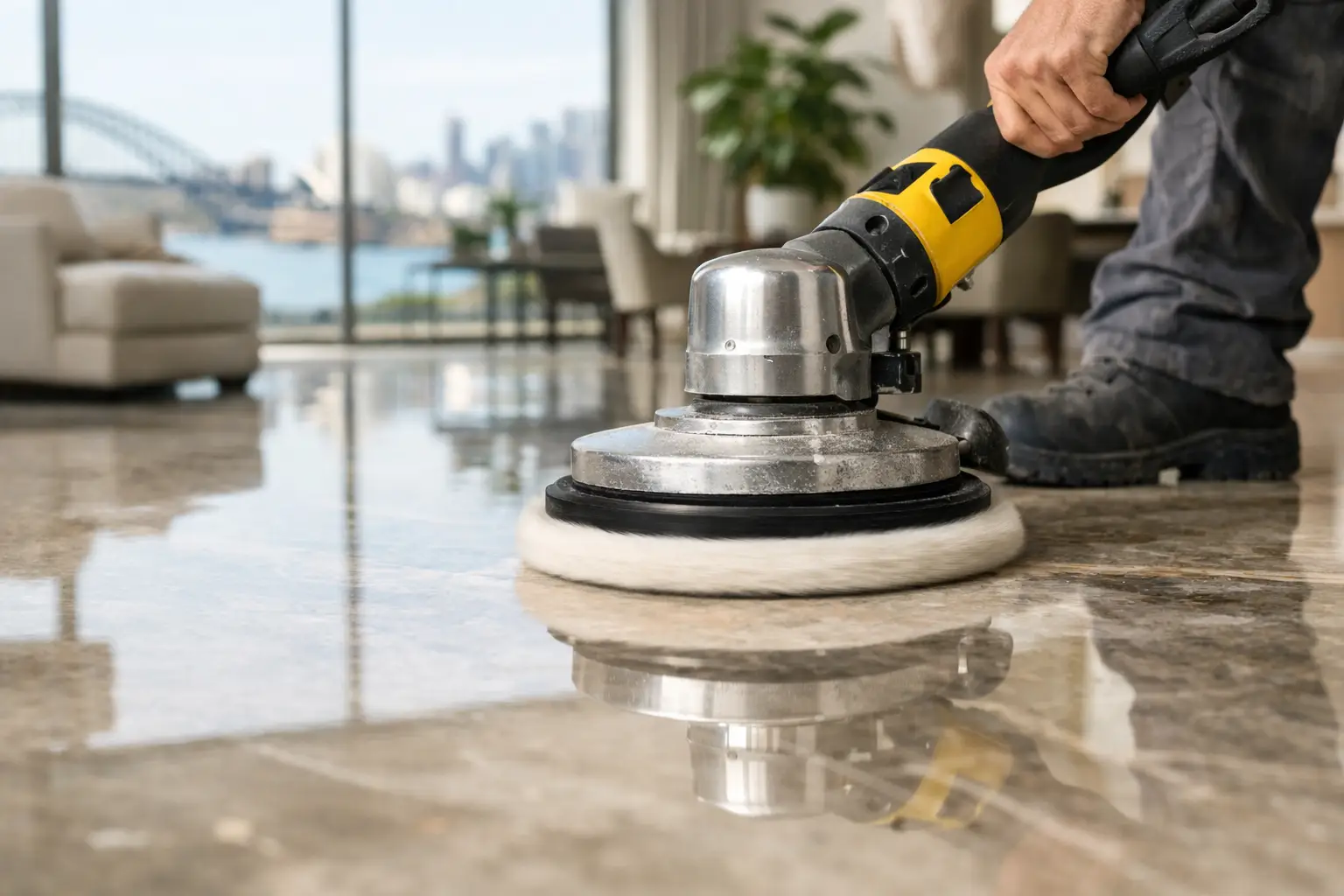
A marble floor does not lose its elegance overnight. It happens gradually – foot traffic dulls the finish, acidic spills leave etching, fine scratches catch the light, and what once looked refined starts to look tired. That is where professional stone polishing Sydney property owners rely on makes a real difference. Done correctly, polishing restores clarity, depth and reflection without the cost, mess and disruption of replacing premium surfaces.
What stone polishing actually does
Stone polishing is not a basic clean and it is not a one-size-fits-all service. It is a restoration process designed to refine the surface of natural or engineered stone, remove visible wear and bring back the finish that suits the material and the setting.
For some surfaces, that means a high-gloss, mirror-like result. For others, a satin or honed finish is the better choice, especially where slip resistance, understated elegance or maintenance practicality matter more than maximum shine. The right outcome depends on the stone type, the level of damage and how the area is used day to day.
Professional polishing typically involves deep cleaning, mechanical abrasion with progressively finer diamonds or pads, correction of scratches and etching, and final refinement of the surface. In many cases, sealing or protective treatment follows to help preserve the restored finish.
Why premium stone surfaces lose their shine
Stone is durable, but it is not indestructible. Marble, limestone and travertine are particularly vulnerable to etching from acidic products such as citrus, vinegar, wine and bathroom cleaners. Granite is harder, but it can still lose lustre over time. Engineered stone is resilient, yet surface wear, staining and dull patches can still affect appearance.
In homes, the most common trouble spots are kitchen benchtops, bathroom vanities, shower walls, entry floors and open-plan living areas. In commercial settings, foyers, lift lobbies, retail floors and hospitality venues often show wear quickly because presentation is constant and traffic is heavy.
The challenge is that regular mopping or wiping cannot correct this kind of damage. In some cases, supermarket cleaners make it worse by leaving residue or exposing stone to the wrong chemicals. Once the surface is scratched, etched or uneven, it needs restoration rather than routine cleaning.
Stone polishing Sydney homes and businesses benefit from most
Not every surface needs the same treatment, and that is precisely why specialist knowledge matters. Marble often requires the most careful approach because it is softer, more porous and more reactive than many people realise. A polished marble floor can be brought back to remarkable brilliance, but it needs the right sequence of honing and polishing to avoid swirl marks, patchiness or over-processing.
Granite responds differently. Its density means it usually needs more aggressive mechanical refinement, but the reward is a crisp, luxurious finish with excellent durability. Limestone and travertine often benefit from a more tailored restoration, especially where natural pores, filled sections or an aged appearance need to be preserved rather than erased.
Terrazzo can also be transformed beautifully, particularly in apartment common areas and commercial spaces where it has become dull through years of wear. Engineered stone surfaces such as Caesarstone and Silestone require a different level of care again, because the resins and aggregates respond differently from natural stone.
This is where specialist restoration stands apart from a general cleaning service. The process should always be based on the material, not just the visible problem.
Polishing versus honing – the finish should suit the space
Many property owners ask for polishing when what they actually want is a cleaner, more refined surface with less visible damage. That may mean polishing, but it may also mean honing.
Honing removes minor lippage, scratches, etching and wear while leaving a smooth matte or low-sheen finish. It is often the preferred option for bathroom floors, some contemporary interiors and spaces where a softer, more natural appearance suits the design. Polishing goes further, increasing reflectivity and visual depth for a more formal, high-end result.
There is no universal best finish. A polished hotel foyer and a honed family bathroom solve different problems. Good restoration work starts with that distinction rather than pushing every surface towards maximum gloss.
Why restoration is often smarter than replacement
Replacing stone can be expensive, disruptive and unnecessary. Demolition, disposal, new material supply, installation and downtime all add up quickly. If the substrate is sound and the stone is structurally intact, restoration is usually the more practical path.
Polishing can remove years of wear, improve consistency across the surface and dramatically lift the presentation of a room or commercial area. Chips can often be repaired. Grout can be restored. Sealing can improve ongoing protection. The result is not a cosmetic shortcut – it is a skilled restoration process that extends the life of an existing premium asset.
For many Sydney property owners, that matters as much financially as it does visually. A restored floor, benchtop or wall surface can preserve the quality of a space without the upheaval of a full renovation.
What a quality stone restoration process should include
The best results come from a methodical process, not a rushed polish over the top of existing damage. A proper assessment should identify the stone type, level of wear, previous treatments, staining, etching, scratches, chips and any unevenness in the finish.
From there, the surface is prepared and cleaned thoroughly. If required, honing stages are used to remove damage and flatten inconsistencies. Polishing stages then refine the surface to the desired finish. Repairs may be completed along the way, and sealing or protective coatings may be applied once restoration is complete.
Some surfaces also benefit from advanced protection such as anti-etch film, particularly in kitchens, bars or bathrooms where acidic exposure is likely. That sort of recommendation should be made based on real use conditions, not as a generic add-on.
Choosing a stone polishing specialist in Sydney
The market is full of businesses that claim to restore stone, but experience with one material does not automatically translate to another. A contractor who can clean tiles is not necessarily equipped to restore etched marble or refinish engineered stone correctly.
When choosing a specialist, look for depth of material knowledge, a clear explanation of the process, and an understanding of finish options rather than a single standard outcome. You want someone who can explain why your limestone should not be treated like granite, or why a heavily etched benchtop needs more than a topical shine product.
Craftsmanship also shows in consistency. Edges, corners, transitions and repaired sections should blend with the surrounding surface. The finish should look intentional and balanced across the whole area. On premium stone, these details are not minor – they are the difference between a surface that looks professionally restored and one that merely looks worked on.
Aftercare matters as much as the polish
A beautifully restored surface can lose its appeal quickly if it is maintained poorly. Stone should be cleaned with pH-appropriate products, spills should be dealt with promptly, and abrasive pads or harsh chemicals should be avoided. In commercial settings, maintenance schedules need to reflect actual traffic levels rather than a generic cleaning routine.
Sealing helps, but it is not a cure-all. Sealers reduce absorption and assist with stain resistance, yet they do not make stone immune to etching or physical wear. Expectations need to be realistic. A polished marble benchtop in an active kitchen will still need careful use, just as a high-traffic lobby floor will eventually need maintenance to stay at its best.
That is why tailored advice matters. The right specialist will not only restore the surface but also advise on how to preserve the result for the long term.
At Grand Stone Restoration, that restoration mindset is central to the work – not simply making a surface look better for the moment, but treating it in a way that respects the material, the setting and the investment behind it.
When to act
If your stone still looks structurally sound but appears dull, patchy, scratched or etched, it is usually the right time to act. Waiting rarely improves the condition, and minor defects often become more pronounced under changing light or ongoing wear.
The good news is that many surfaces that seem beyond saving can be restored to a finish that feels refined, clean and properly cared for again. Whether it is a marble bathroom, a granite benchtop, a terrazzo lobby or a worn limestone floor, the right treatment can return the sense of quality the space was meant to carry.
Stone has a lasting value when it is maintained with skill. A careful restoration does more than bring back shine – it restores confidence in the space itself.