
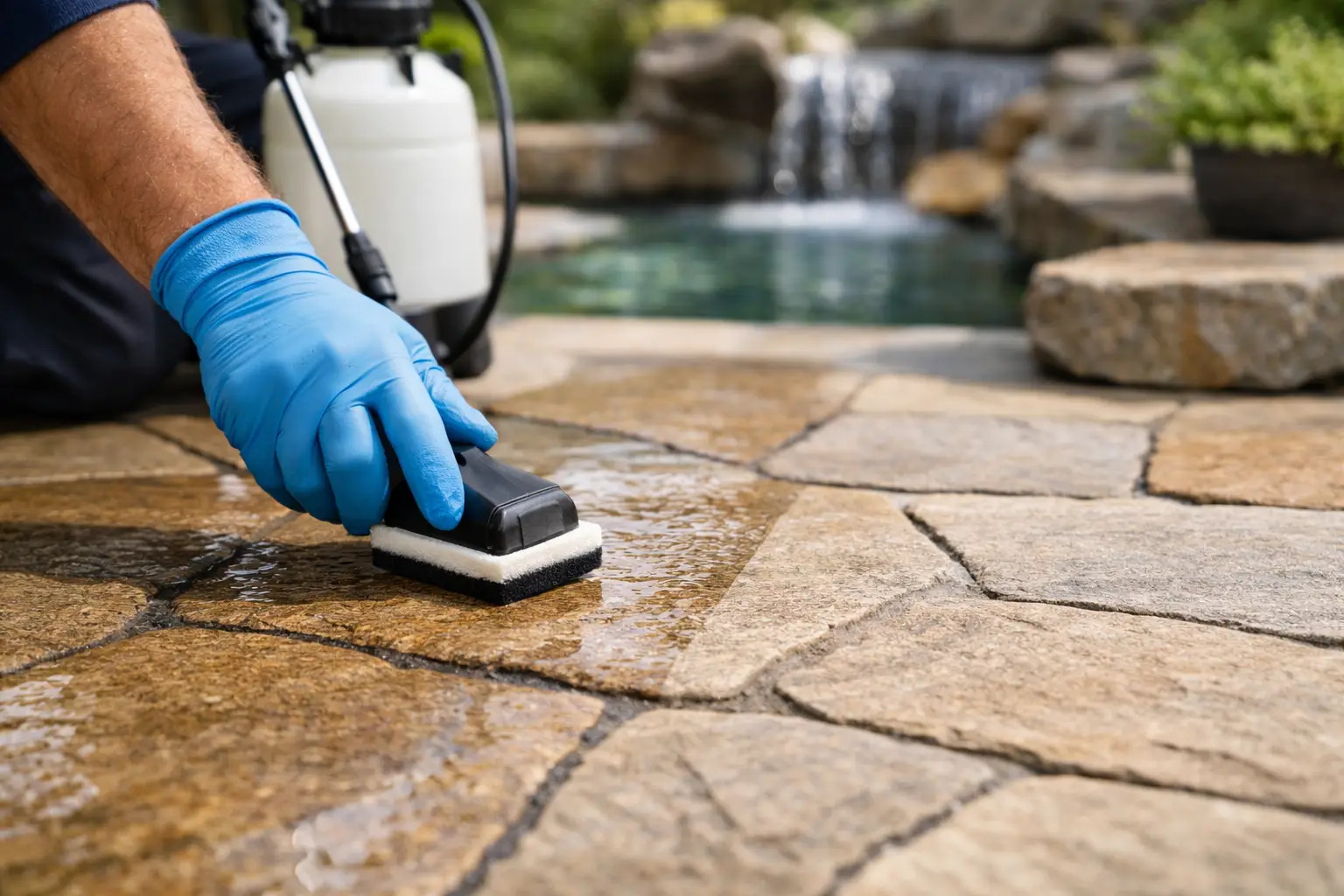
A marble floor can look immaculate at handover and tired within a year if it is left unprotected. The change is often gradual – dull traffic lanes, water marks near wet areas, darkened grout lines, and stains that seem to settle deeper than a standard clean can reach. A professional stone sealing service is designed to prevent that decline, preserving both the appearance and performance of valuable surfaces before damage becomes expensive.
Natural and engineered stone are not all built the same. Some surfaces are highly porous and absorb moisture and contaminants quickly. Others are denser but still vulnerable to oils, acidic spills, foot traffic, and ingrained grime. Sealing is not a cosmetic extra. It is a technical protective treatment that must match the material, the finish, and the way the area is used.
What a stone sealing service actually does
At its core, sealing creates a protective barrier that reduces the stone’s ability to absorb liquids, oils, dirt and bacteria. On floors, this helps limit staining and makes routine maintenance more effective. On benchtops, vanities and splash-prone areas, it gives the surface more resistance to everyday use. Outdoors, it can help reduce water penetration and weather-related deterioration.
That said, sealing is not the same as making stone indestructible. It will not stop etching on acid-sensitive materials such as marble or limestone, and it will not hide scratches, chips or uneven wear. If a surface is already damaged, sealing should usually come after the required restoration work, not before it.
This is where specialist assessment matters. The right sealer for honed marble in a bathroom is not necessarily the right solution for external sandstone, polished granite in a foyer, or engineered stone in a kitchen. Product selection, surface preparation and application method all influence the final result.
Why professional stone sealing service matters
Stone sealing is often treated as a simple add-on, but poor sealing can create more problems than no sealing at all. An unsuitable coating can leave a patchy appearance, alter the slip profile, trap contaminants, or wear away unevenly. In some cases, over-application leaves a hazy residue that detracts from the natural elegance of the stone.
A professional stone sealing service begins with understanding the surface itself. Marble, travertine, limestone, granite, terrazzo, sandstone, porcelain, engineered stone, and grout all respond differently. Even within the same material category, the finish changes the treatment. Honed stone behaves differently from polished stone. Indoor surfaces have different demands from pool surrounds, alfresco zones and entryways.
Professional sealing also addresses timing. If the stone still holds embedded moisture, residues from previous products, or remnants of construction dust, the sealer may not bond correctly. Proper preparation is what separates lasting protection from a short-lived result.
Which surfaces benefit most from sealing
The greatest value tends to come from surfaces exposed to moisture, spills, heavy traffic or frequent cleaning. Kitchens, bathrooms, laundries, living areas, apartment common areas, hotel lobbies and commercial foyers all benefit because they combine visual importance with regular use.
Porous materials such as limestone, travertine and sandstone are especially strong candidates for sealing, as are grout lines that attract dirt and discolouration. Marble also benefits from sealing, though owners should understand its limits. Sealing helps reduce staining, but acidic products can still etch the finish. That is why sealing is often part of a broader care plan rather than a standalone fix.
External surfaces deserve careful treatment as well. Stone around pools, paths, courtyards and entertaining areas is exposed to rain, UV, organic matter and general weathering. The right sealer can support easier maintenance and reduce moisture ingress, but outdoor applications must also account for slip resistance, breathability and the natural movement of the substrate.
Preparation is where quality is won
A high-end result starts long before the sealer is applied. If a floor has built-up residues, ingrained dirt, soap scum, calcium deposits or old topical coatings, these issues need to be addressed first. Otherwise, the sealer may lock in existing contamination or sit unevenly across the surface.
For premium stone, preparation often includes deep cleaning, stain treatment, honing, polishing or minor repairs depending on the condition of the material. Sealing should protect a refined finish, not cover unresolved damage. If the stone is etched, scratched or dulled, restoration first delivers a far more elegant and durable outcome.
This is one reason property owners often see better value in a full restoration approach. Rather than replacing expensive surfaces, they can restore clarity, smoothness and shine, then seal them properly to extend the result.
Penetrating sealers, topical sealers and why the difference matters
Not all sealers work in the same way. Penetrating sealers are designed to absorb into the surface and provide below-surface protection while preserving the natural look of the stone. These are commonly preferred for many premium residential and commercial applications because they protect without creating an artificial film.
Topical sealers sit more on the surface and can alter appearance by adding sheen or forming a visible coating. In the right setting, that may be appropriate. In the wrong one, it can look heavy, wear unevenly, or require more ongoing maintenance. Some topical products are better suited to specific external materials or functional surfaces than luxury interiors.
The best choice depends on the stone type, its porosity, the finish, and the expectations for appearance. If the goal is to preserve the quiet sophistication of honed marble, one type of sealer may be ideal. If the concern is a more porous exterior stone exposed to harsh conditions, another system may perform better. There is no universal product that suits every surface.
How long does sealing last?
This depends on the material, the traffic level, the cleaning methods and the sealer used. A lightly used vanity top may hold protection for far longer than a busy commercial entry. Kitchen benchtops can face oils, acids and frequent wiping. Lobby floors endure constant abrasion from shoes and grit. Outdoor areas carry their own challenges with weather and contamination.
A quality stone sealing service should never promise a fixed lifespan without context. Some surfaces may need attention every few years, while others can remain protected for longer. The practical question is not just how long the product lasts on paper, but how the surface is actually performing in the real world.
A simple water-drop test can sometimes suggest whether a surface is still resisting moisture, but professional review gives a more reliable picture. If water darkens the stone quickly, stains appear more easily, or cleaning is becoming harder, resealing may be due.
The cost of delaying protection
Unsealed or poorly sealed stone often becomes harder and more expensive to restore over time. Stains can penetrate further. Grout can deteriorate faster. Moisture can contribute to discolouration, mould issues, or substrate-related problems in some settings. In commercial spaces, worn and neglected stone also affects presentation, which matters in every environment where appearance supports value, reputation or client confidence.
By contrast, timely sealing helps preserve the investment already made in the surface. It supports easier cleaning, reduces avoidable wear, and keeps premium materials looking closer to their intended finish. For many owners and facilities managers, that makes professional sealing one of the most cost-effective parts of a broader stone care strategy.
Choosing the right specialist for stone sealing service
The key question is not whether someone can apply a sealer. It is whether they understand stone well enough to treat it correctly. A genuine specialist will assess the material, explain what sealing can and cannot do, recommend the right preparation, and tailor the treatment to the way the surface is used.
That level of care matters in high-value homes and presentation-critical commercial spaces, where the goal is not simply protection but a finish that still looks refined. In Sydney properties with marble bathrooms, luxury kitchens, stone foyers and high-traffic common areas, the difference between generic treatment and specialist workmanship is usually visible.
Grand Stone Restoration approaches sealing as part of the full surface lifecycle – cleaning, correction, refinement and long-term protection. That is how stone keeps its depth, elegance and lasting shine rather than slipping into gradual decline.
If your stone is beginning to absorb spills, lose clarity or show the early signs of wear, sealing is best viewed as preventive craftsmanship. Done properly, it protects more than the surface. It protects the standard your property presents every day.