
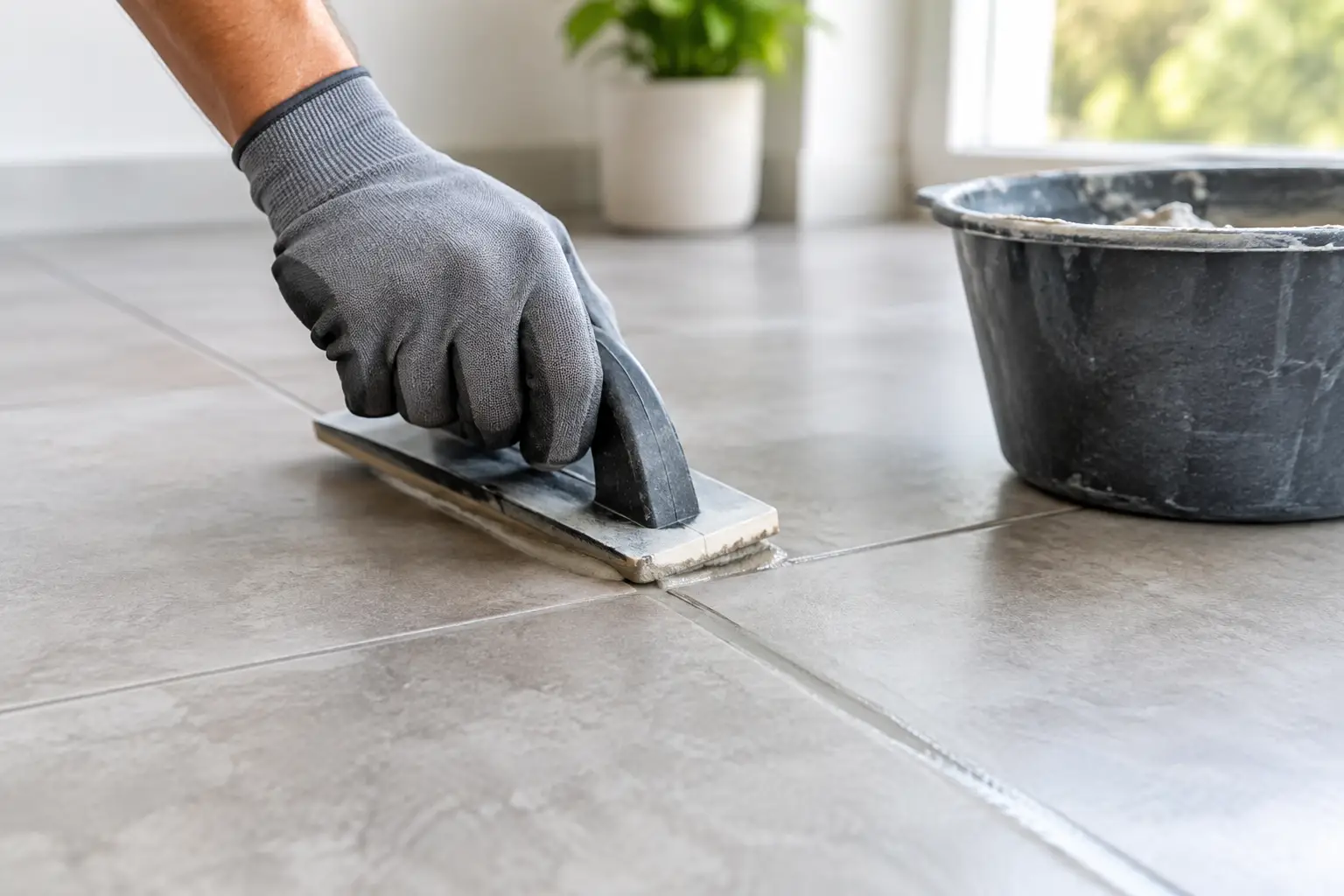
A beautifully tiled bathroom or stone floor can lose its sense of quality surprisingly quickly when the grout turns dark, cracks, recedes or stains. Professional grout repair is not simply about making joints look lighter. Done properly, it restores clean definition between tiles, addresses compromised areas and helps protect the surface beneath from unnecessary moisture exposure.
For Sydney homes, apartments and commercial spaces where presentation matters, grout restoration is often one of the most cost-effective ways to revive a tired tiled surface without the disruption and expense of replacement. The difference is visible in the lines as much as the tiles themselves: crisp, even grout makes the entire installation feel cleaner, more refined and better maintained.
When Grout Repair Is the Right Solution
Grout is durable, but it is not permanent. Bathroom steam, shower products, cooking spills, foot traffic and regular cleaning gradually affect its appearance and strength. Cement-based grout is porous by nature, so it can absorb moisture, soap residue and coloured contaminants. Over time, even quality tiles can look dull because the joints around them have become uneven or discoloured.
Repair is particularly worthwhile when damage is localised. Small cracks, missing sections, worn joints around high-traffic paths and persistent staining can often be corrected without disturbing sound tiles. This is common in shower recesses, kitchen splashbacks, entry floors, laundry areas and tiled commercial bathrooms.
The key is diagnosing why the grout has failed. A surface stain may respond to specialist cleaning and sealing. Crumbling or missing grout needs careful removal and replacement. Repeated cracking near a shower base, wall junction or doorway may point to movement, failed silicone, water ingress or a substrate issue. Filling the crack without addressing that cause may improve the appearance briefly, but it is unlikely to deliver a lasting result.
What a Professional Grout Repair Process Should Include
Quality grout work begins with assessment, not a tube of filler. The age of the installation, tile material, joint width, location and previous treatments all influence the right method. Natural stone and engineered stone require particular care because aggressive cleaners, improper scraping or unsuitable sealers can damage the surface beside the grout.
A considered repair process generally involves cleaning the area, removing loose or deteriorated grout to an appropriate depth, preparing the joints and applying compatible new grout with an even finish. Once cured, the repaired area can be cleaned in detail and, where suitable, protected with a penetrating sealer.
Colour matching is equally important. Fresh bright-white grout can look out of place beside an older installation, while an incorrect grey or beige can make a repaired patch more obvious than the original damage. An experienced technician considers the existing tile colour, surrounding grout and the light in the room to create the most natural result possible.
In wet areas, the transition points deserve close attention. Grout and silicone do different jobs. Grout is used between tiles, while flexible sealant is normally required at changes of plane, such as where a wall meets a floor or bath. Using rigid grout where movement is expected can lead to recurring cracks. Replacing discoloured, mould-affected or split silicone may be necessary to give the repaired area a properly finished appearance.
Cleaning, Regrouting or Replacement: Choosing the Proper Scope
Not every marked grout line needs to be removed. Deep cleaning can make a remarkable difference where the grout is structurally sound but affected by soap scum, mould, mineral deposits or embedded grime. This is often the best starting point for tiled floors and lightly stained bathroom walls.
Regrouting becomes the stronger option when joints are pitted, powdery, cracked or missing. Rather than coating poor grout with a colourant or applying new material over the top, damaged sections should be removed and rebuilt correctly. This gives the replacement grout sufficient depth to bond and perform as intended.
There are cases where repair is not enough. Loose tiles, hollow-sounding sections, persistent dampness, efflorescence or widespread failure can indicate an issue below the tile surface. In a shower, this may involve the waterproofing system. On an external tiled area, it may relate to drainage, movement or exposure. A premium result requires honest advice here: cosmetic work should never be presented as a cure for an underlying building defect.
Why Tile and Stone Type Matters
Grout repair around ceramic or porcelain tile can be relatively straightforward, provided the tile is stable and the right products are used. Around marble, limestone, travertine, terrazzo and other natural stone, the margin for error is much smaller. Acidic cleaners and harsh chemicals can etch sensitive stone, alter its sheen or draw staining into its pores.
Textured tiles also require a different approach from polished surfaces. Residue can lodge in a rough finish, and an overly aggressive cleaning method can leave a patchy appearance. Stone floors with a honed or polished finish may need surrounding restoration work so the grout repair sits comfortably within the overall surface presentation.
This is where a stone restoration specialist offers a distinct advantage. The grout is treated as part of a complete surface system, rather than as an isolated cleaning task. At Grand Stone Restoration, the objective is to preserve the character of the tile or stone while restoring the clean, precise joint lines that frame it.
The Value of Sealing After Grout Repair
Fresh cementitious grout benefits from the right protection once it has cured. A quality penetrating sealer helps reduce the rate at which water, oils and everyday spills are absorbed. It does not make grout maintenance-free, nor does it eliminate the need to ventilate bathrooms and clean spills promptly. It does, however, provide a practical barrier that supports easier ongoing maintenance.
The best sealing approach depends on the surface. Shower walls, kitchen floors, splashbacks and commercial entries face different forms of use. Nearby stone may need its own compatible sealer, particularly if it is porous. Applying one generic product across every tiled and stone surface can create problems, including residue, uneven appearance or an unsuitable finish.
For high-use commercial environments, maintenance planning matters as much as the initial repair. A foyer, hospitality venue or retail floor can look excellent after restoration, then deteriorate quickly if abrasive products, excessive water or incorrect cleaning chemicals are introduced. Matching care recommendations to the site is part of protecting the investment.
Keeping Repaired Grout Looking Its Best
The most effective maintenance is consistent and gentle. Use a pH-neutral cleaner suited to the tile and stone, rather than acidic bathroom sprays, bleach-heavy products or harsh powders. These may seem effective in the short term, but they can gradually weaken grout, dull natural stone and affect sealers.
Ventilate shower areas after use and address spills before they settle into porous joints. Avoid using steel wool or stiff abrasive tools on polished stone and glossy tile. If mould returns repeatedly, investigate ventilation, leaks and moisture retention rather than relying solely on stronger chemical cleaners.
Periodic professional cleaning and resealing can be worthwhile for busy bathrooms, kitchens, outdoor entertaining areas and commercial spaces. The interval varies with traffic, cleaning habits and material type. A lightly used ensuite has very different demands from a hotel bathroom or a café floor.
A Small Detail That Changes the Whole Room
Grout may occupy a narrow strip between tiles, but it has an outsized influence on how a room feels. Clean, evenly finished joints sharpen the geometry of a tiled floor, give a shower recess a more hygienic appearance and allow premium stone surfaces to take centre stage again.
If the grout is cracked, stained or breaking down, do not assume replacement is the only path forward. The right assessment can distinguish a straightforward repair from a deeper moisture or movement issue, protecting both the finish you see and the surface beneath it. A carefully restored grout line is a modest intervention with the power to make the whole space look considered again.